
Towel Battles!
As September rolls over, so does the rain! We get a bit of respite from the heatwaves, just to be tormented by near-constant rainfall and a totally different set of challenges. Your at-risk-of-overheating dog might be much more comfortable, but we aren’t!
Congratulations, I guess?
A wet dog and a towel can sometimes be a surprisingly difficult combination!
While some dogs happily stand still while they are dried, others become wriggly, grab the towel, run away, or strongly object when you try to dry certain areas. Paws are often particularly challenging, with some dogs becoming uncomfortable as soon as you reach for their feet.
This can make a simple job like drying your dog after a rainy walk much more difficult than expected.
The good news is that towel drying does not have to be a battle.
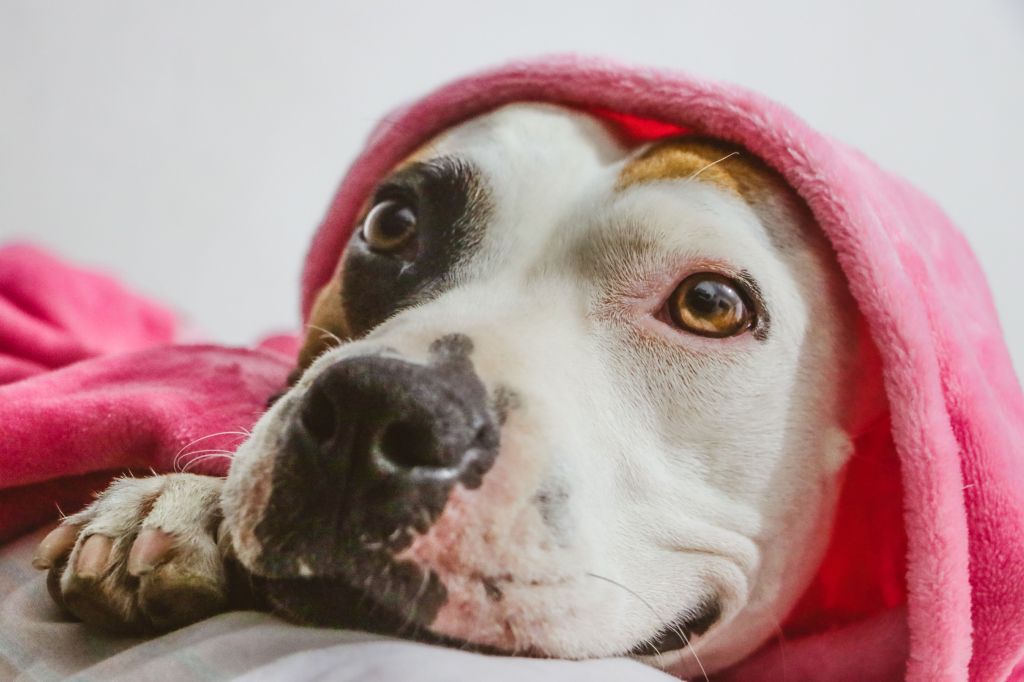
Why do some dogs dislike towel drying?
There are several reasons a dog might find towel drying unpleasant.
The sensation of a towel rubbing over wet fur can feel strange, particularly for dogs that are sensitive to touch. The towel may also catch on knots, pull at the coat or create static.
Some dogs simply dislike being restrained or handled when they are trying to move away. Others may have learned that the towel means something they don’t particularly enjoy, so they start trying to avoid it as soon as they see it.
Paws can be an even bigger issue.
Dogs use their feet constantly and may naturally be protective of them, with some breeds being particularly good at letting you know that they find your complete lack of respect for their royal toes absolutely outrageous. Having someone pick up, hold, squeeze or rub their paws can feel intrusive. If a dog has previously had an uncomfortable experience involving nail clipping, grooming or a sore paw, they may be even more reluctant to have their feet handled.
It is therefore worth treating handling and towel drying as separate skills rather than expecting your dog to automatically accept both.
Don’t wait until your dog is soaking wet
One of the easiest ways to make things harder is to introduce handling practice only when your dog has just come back from a muddy walk.
When your dog is wet, you have a practical reason for wanting to dry them quickly. You might also not have much time to dedicate to it in that moment—or the patience required to tackle a wet dog who has decided that your furniture is the perfect place to dry themselves!
Instead, practise when your dog is already dry and relaxed.
You can start by simply touching your dog’s shoulder, back or chest and rewarding them. Gradually introduce the towel, allowing them to sniff it and rewarding calm behaviour.
The aim is for the towel to become something completely ordinary rather than something that suddenly appears and starts rubbing them all over.
Make the towel part of a positive experience
Start with very small steps.
For example:
- Show your dog the towel.
- Let them sniff it.
- Reward them for staying relaxed.
- Gently touch the towel against their shoulder.
- Reward.
- Gradually increase the amount of contact.
- Eventually introduce gentle rubbing.
You don’t need to complete a full drying session during training.
In fact, stopping while your dog is still comfortable is often more useful than pushing until they have had enough.
Over time, you can gradually build up the amount of handling your dog will tolerate.
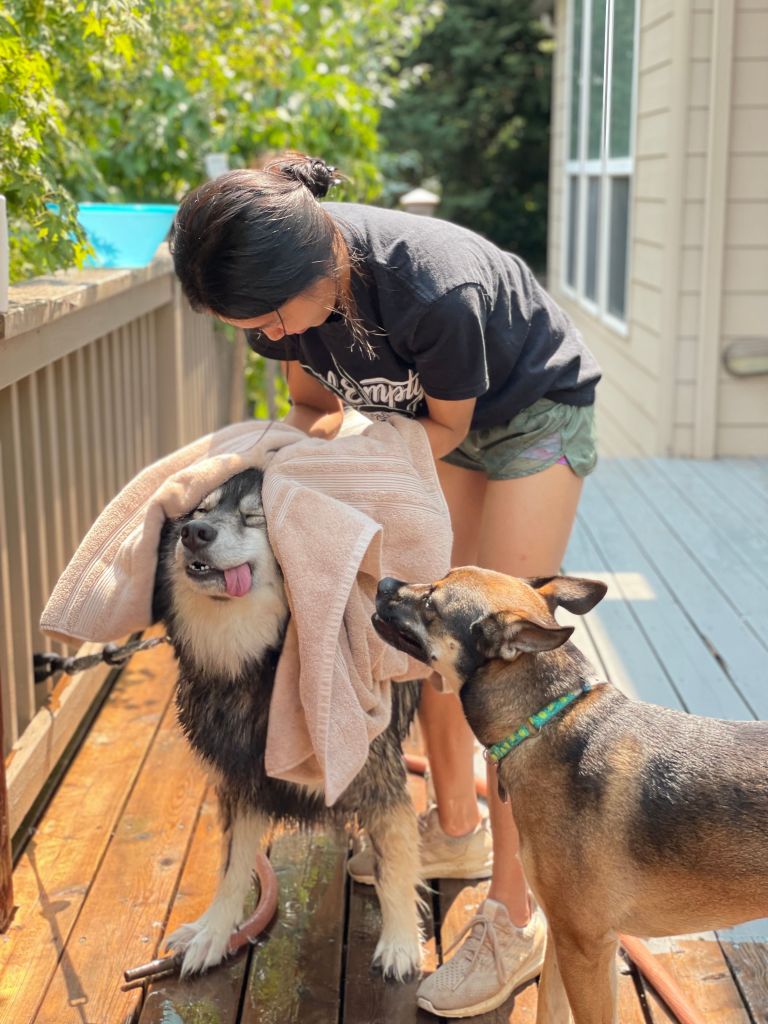
Practise paws separately
If paws are the difficult part, don’t make paw handling part of the drying battle straight away.
Practise when your dog is calm and dry.
Start by touching the leg, then briefly touching the paw. Reward and stop.
Once your dog is comfortable with that, you can gradually progress to:
Touch → reward
Hold briefly → reward
Lift the paw → reward
Touch between the toes → reward
Gently wipe the paw → reward
There is no need to rush through these stages. If your dog pulls their paw away, that is useful information. Go back to an easier step and build up more gradually.
Make your handling predictable
Small things can make handling much easier for a dog. For example, using the same word before you do something can help them know what is about to happen. If you are about to lift a paw, saying “lift” just before you do it gives your dog a little warning rather than having their foot suddenly disappear from underneath them. Over time, the word can become a useful cue that tells them what to expect, helping them stay calmer.
You can also make your touch more predictable. Rather than reaching straight for a paw, try sliding your hand gently from the dog’s back, down the leg and towards the paw. This gives them information about where your hand is going, rather than suddenly touching a part of their body they cannot easily see.
This can be especially helpful when handling feet, as your dog can’t see everything happening around their legs and paws. Giving them a little warning and allowing them to follow the movement of your hand can make the whole process feel less surprising.
Teach your dog that giving you a paw is a good thing
A useful trick for handling is to teach your dog to voluntarily place a paw in your hand.
You may already know this as the classic “paw” trick, but it can become much more useful when taught carefully.
Ask for the paw, support it gently and reward your dog. Over time, you can introduce slightly longer holds and gentle touches while continuing to reward.
You can then use this behaviour when drying.
Instead of chasing a paw around while your dog tries to pull it away, you can ask them for the behaviour they already know.
This gives the dog a little more predictability and control over what is happening.
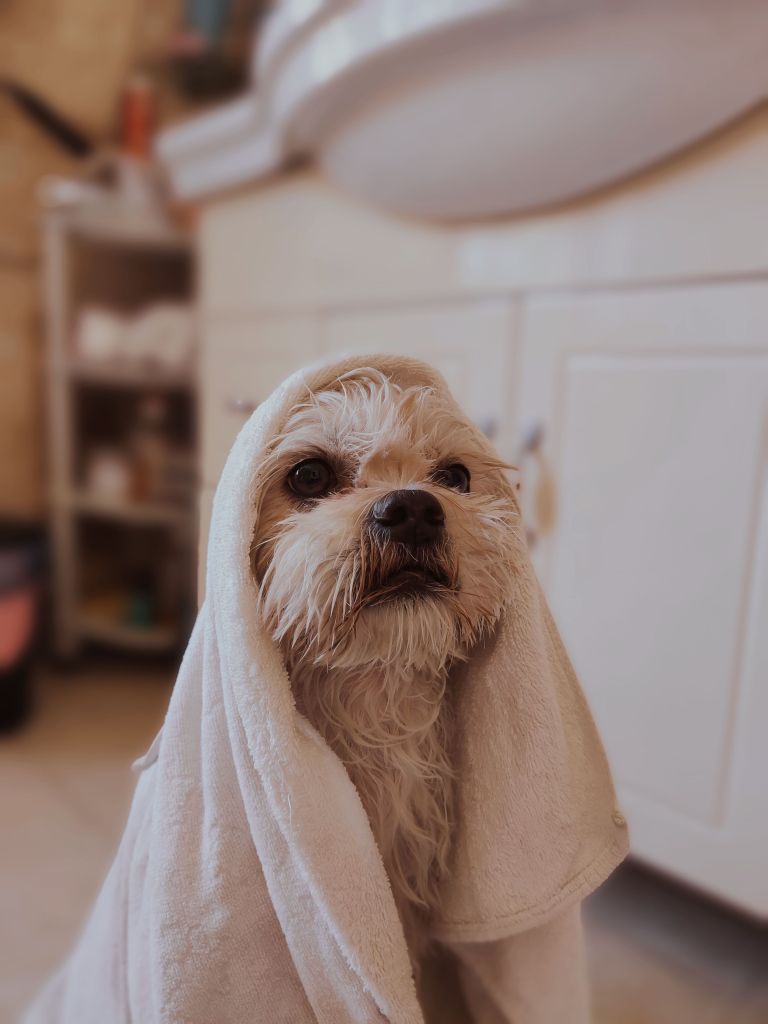
Reward stillness, not just tricks
You don’t necessarily need a fancy trick.
One of the most useful things you can teach your dog is simply:
“Standing calmly while I handle you is rewarding.”
Watch your dog’s body language
A dog doesn’t have to growl or snap before we know they are uncomfortable.
Look for smaller signs such as:
- turning their head away
- licking their lips
- yawning
- pulling their paw away
- becoming tense
- trying to move away
- suddenly becoming very wriggly
- avoiding eye contact
- freezing or becoming unusually still
These signs can tell you that you are moving too quickly.
The goal isn’t simply to make your dog tolerate handling. Ideally, we want them to feel safe and comfortable with it.
When handling suddenly becomes difficult
If a dog that normally accepts handling suddenly starts objecting to having a particular area touched, don’t assume they are simply being difficult.
Pain or irritation can make dogs much more protective of an area. Check for obvious problems such as a sore paw, damaged nail, something stuck between the pads or an irritated area of skin.
If you are concerned about pain or your dog’s behaviour has changed significantly, speak to your vet.
Need a little help with handling?
Getting your dog comfortable with being handled takes time, especially if paws, towels or other types of handling are already a challenge. The good news is that small, positive steps can make a real difference.
If your dog needs some extra practice with calm handling, or you’d like some guidance on making everyday care easier, get in touch. We can work on building confidence and making those wet-weather routines a little less stressful for everyone.

