
The June Pest Alert 🚨
As the June heat rolls in, we’re all spending more time outside with our pups. Unfortunately, we aren’t the only ones loving the warmer weather. June marks the official surge of parasitic summer pests that see our dogs as a walking buffet.
Knowing what to look for—and how to handle them—can prevent serious discomfort and costly vet bills. Here are the three biggest culprits to watch out for this month.
1. Ticks
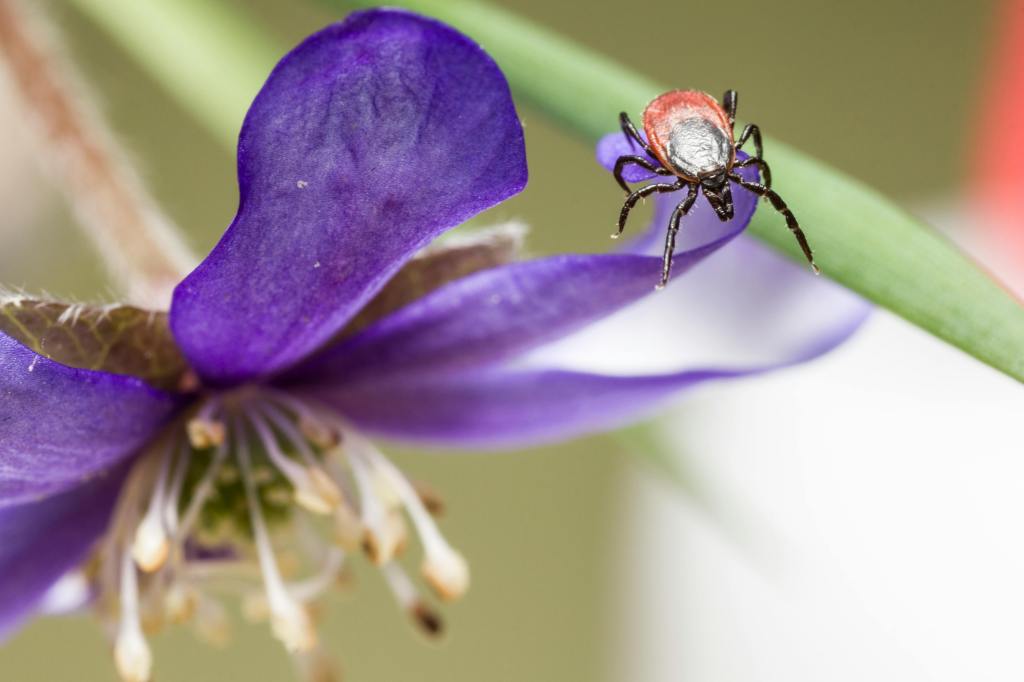
June is absolute peak season for nymph and adult ticks. Because nymphs are only about the size of a poppy seed, they are incredibly easy to miss in thick dog fur.
- The Danger: They carry debilitating illnesses like Lyme disease, Ehrlichiosis, and Anaplasmosis.
- Where They Hide: Tall grass, brushy wooded areas, and piles of dead leaves. On your dog, check their toes, inside ears, under the armpits, and around the collar zone.
- How to Remove Safely:
- Use fine-tipped tweezers or a specialized tick-removal tool.
- Grasp the tick as close to your dog’s skin as possible.
- Pull straight upward with steady, even pressure. Do not twist or jerk, as this can break off the mouthparts and leave them embedded in the skin.
- Clean the bite area with rubbing alcohol or soap and water.
2. Mosquitoes
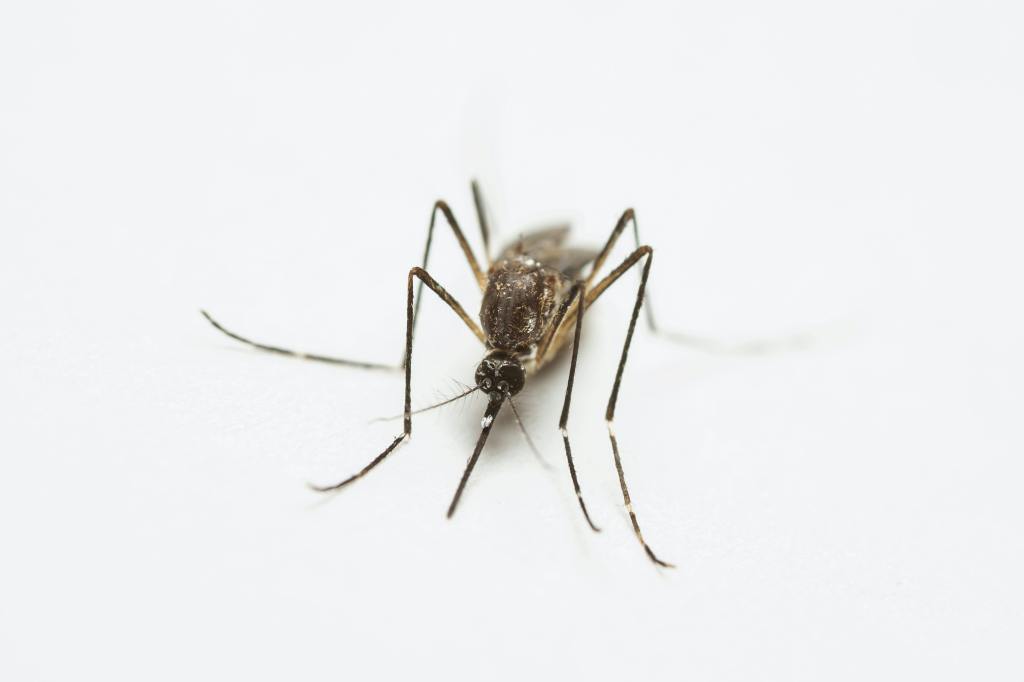
We usually think of mosquitoes as just an annoying itch, but for dogs, a single bite can be life-threatening.
- The Danger: Mosquitoes are the sole transmitters of heartworm larvae. Once inside your dog’s bloodstream, these larvae migrate to the heart and lungs, growing into mature worms that cause severe cardiovascular damage.
- Where They Hide: Any area with standing water, shaded yards, and near lakes or ponds, especially during dawn and dusk.
- How to Treat & Remove the Itch: You can’t “remove” a mosquito bite once it happens, but you can soothe the reaction. Wash the area with mild soap and water. To calm the itching, apply a cold compress or a pet-safe, vet-approved hydrocortisone cream to prevent your dog from scratching the spot raw.
3. Fleas
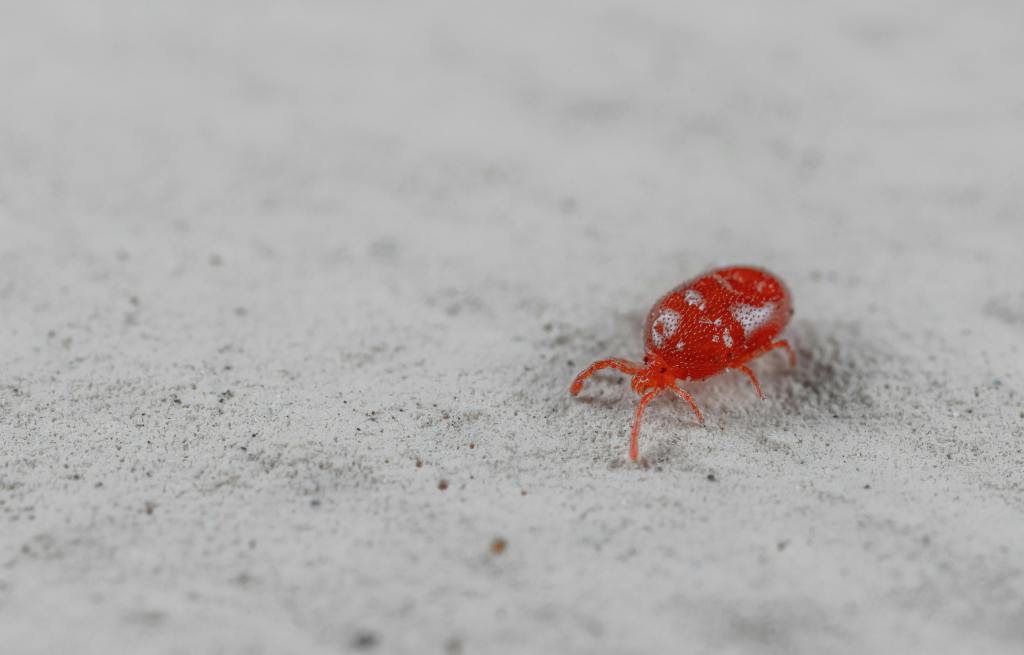
While fleas can survive year-round indoors, June’s warm humidity accelerates their lifecycle drastically. A single female flea can lay up to 50 eggs a day on your pet.
- The Danger: Extreme itching, Flea Allergy Dermatitis (severe skin allergies), tapeworms, and anemia in smaller puppies.
- What to Look For: Intense scratching, biting at the tail base, and flea dirt—which looks like tiny flakes of black pepper on their skin.
- How to Remove an Infestation:
- On your dog: Give them a bath using warm water and a mild dish soap (like blue Dawn) or a specialized flea shampoo to quickly kill adult fleas on contact. Use a fine-toothed flea comb, dipping it in soapy water after each pass.
- In your home: Wash all pet bedding in hot water, vacuum every carpet and rug thoroughly, and talk to your vet about an oral or topical fast-acting adulticide to kill remaining fleas instantly.
Quick Summer Defense Checklist
- Check the Calendar: Ensure your dog’s monthly flea, tick, and heartworm medication is up to date.
- Scan your dog’s Fur: Everytime you are relaxing on your sofa with your dog, run your hands firmly through your dog’s coat to check for bumps or ticks.
- Clear the Yard: Dump out stagnant water in birdbaths, toys, or tarps to keep mosquitoes from breeding.

Peace of Mind on Every Walk 🐾
Summer walks should be all about fun, not worrying about what’s hitching a ride home on your pup.
When your dog walks with me, they aren’t just getting outside for some exercise—they are walking with someone who knows what to look for. Having completed an apprenticeship as a veterinary assistant, I spent real time learning from clinical professionals. That hands-on training means I’m naturally in the habit of noticing the little things—like early signs of pest irritation, a hidden tick, or when a pup is getting a bit too warm and needs a break.
You get to go about your day with total peace of mind, knowing your dog is having a blast with a walker who truly understands their well-being.
Find out what I can Do for you👇👇

