
🐕Dog safety tips for Every season: May Edition
When Dogs Chase Bees
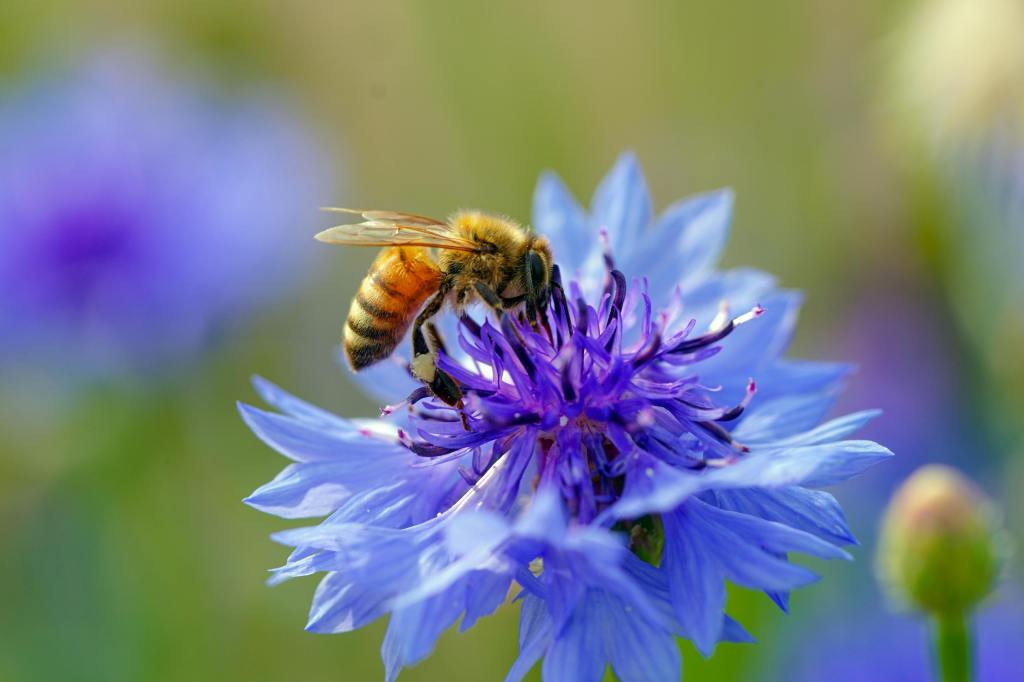
As the weather warms up in May, bees and wasps become more active in gardens, parks, and fields. Most of the time dogs ignore them, but some curious pups can’t resist chasing anything that buzzes past.
While many stings are mild, it’s helpful for owners to know what to watch for if their dog gets too close to a bee or wasp.
Why Dogs Get Stung
Dogs explore the world with their noses. If a bee lands on a flower or a wasp is hovering near food, a curious sniff can easily lead to a sting.
Common situations include:
- Sniffing flowers in gardens or parks
- Chasing flying insects during play
- Investigating sweet drinks or food left outside
- Snapping at buzzing insects in the air
Stings often happen around the nose, mouth, or paws because those are the areas dogs use to investigate things.
Signs Your Dog May Have Been Stung
If your dog yelps suddenly or starts pawing at their face, a sting may be the cause.
Signs can include:
- Sudden yelp or jump
- Pawing at the face or mouth
- Swelling around the nose, lips, or paw
- Drooling
- Limping if stung on the foot
In many cases, the swelling settles on its own after a short time.
When to Contact a Vet
Some dogs react more strongly to stings than others.
It’s best to contact a vet if you notice:
- Significant swelling around the mouth, throat, or eyes
- Difficulty breathing
- Vomiting or weakness
- Multiple stings
These reactions are less common, but it’s always better to get advice if something doesn’t seem right.
Simple Ways to Reduce Encounters
You can’t remove every bee or wasp from a park, but a few simple habits can help reduce the chances of a sting.
Helpful tips include:
- Keep an eye on dogs around flower beds and long grass
- Avoid letting dogs investigate open drinks or food
- Encourage dogs not to snap at flying insects
- Check paws if your dog suddenly starts limping during a walk
Most dogs quickly learn that buzzing insects are best left alone after one unpleasant encounter.
Spending time outdoors is one of the best parts of spring and early summer for dogs. Being aware of seasonal things like bees, wasps, and other small hazards simply helps owners feel more prepared when they’re out and about.
As a local dog walker, I keep an eye on what’s happening around us during walks, especially in parks and gardens where curious noses often lead the way. If you’d like for your dog to spend more time outdoor but you are struggling to find the time le tme help you!

