
🐕Dog safety Tips For Every Season: April Edition
🌸 Spring Flowers That Aren’t So Dog-Friendly
Spring in Chelmsford is looking beautiful right now — gardens blooming, parks full of colour, and countryside paths bursting with life. 🌼
But while we’re admiring the flowers, some common spring blooms aren’t quite as lovely for our dogs.
Here are a few to be aware of:
Bright and cheerful — but the bulbs are especially problematic if dug up and chewed.
Possible signs after nibbling:
- Upset tummy
- Vomiting
- Drooling
Curious diggers are usually the biggest risk here!
🌷 Tulips & Hyacinths
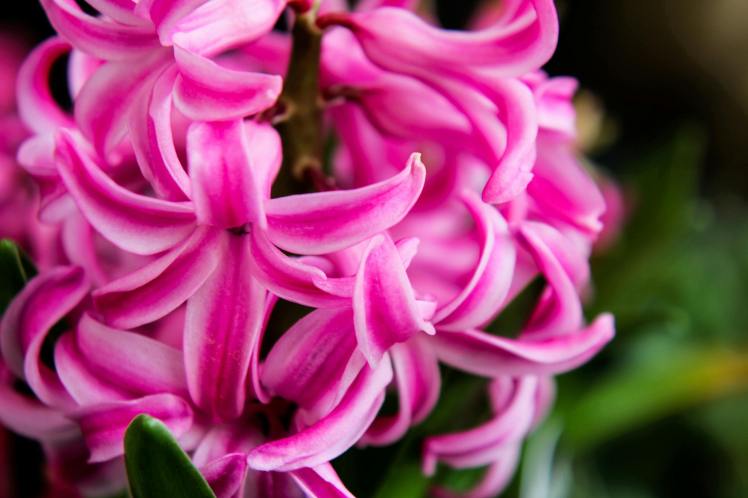
Again, it’s the bulbs that cause the most trouble. Dogs that love helping with gardening (uninvited, of course 😅) are most at risk.
Keep an eye on:
- Excessive drooling
- Tummy discomfort
- Lethargy
🌿 Bluebells
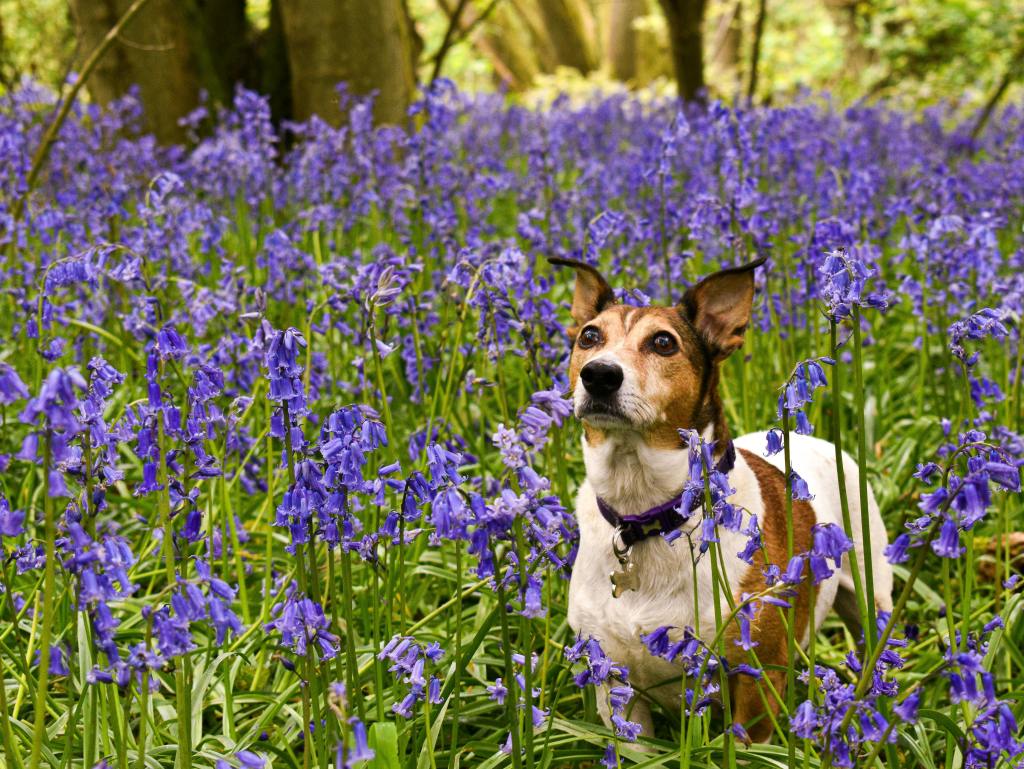
Those stunning bluebell woods we see around Essex are gorgeous — but chewing the plants can cause stomach upset.
Plus, protecting the flowers themselves helps keep our countryside beautiful.
🌺 Lily of the Valley
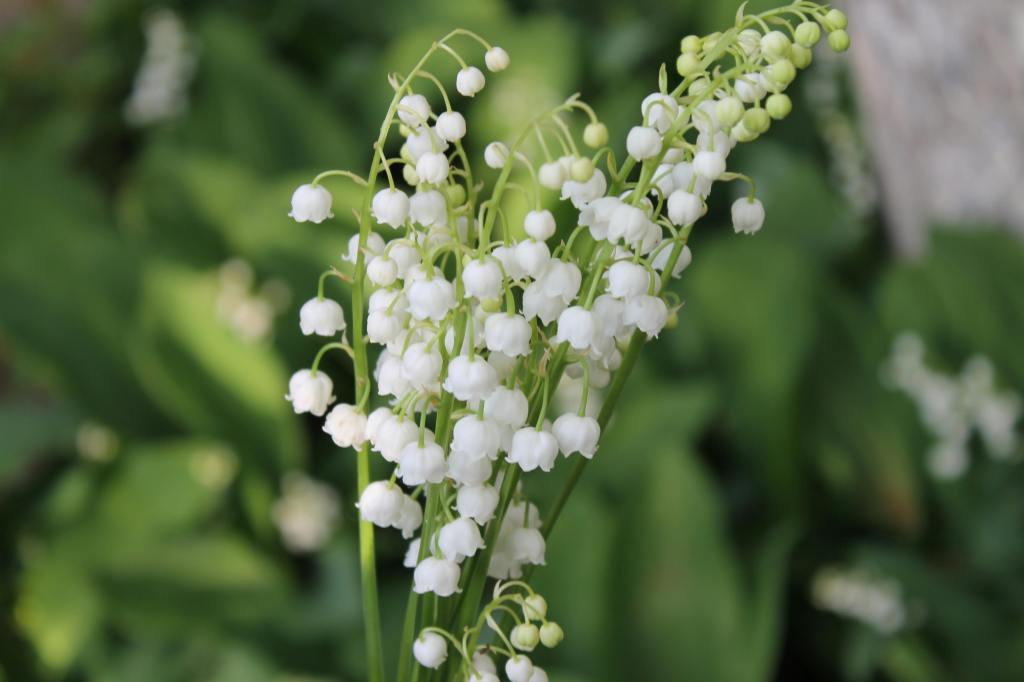
A delicate white flower with a strong scent — but this one can cause more serious symptoms if eaten, including heart-related issues.
If you suspect your dog has eaten something unusual, it’s always best to contact your vet for advice.
🌿 Simple Spring Tips
✔️ Keep an eye on diggers in freshly planted flower beds
✔️ Brush off pollen after woodland walks
✔️ Teach a solid “leave it” for curious sniffers
✔️ Supervise garden exploring during peak bloom season
Most dogs will happily walk past flowers without a second glance — but spring brings new smells and new temptations!
🐾 How I Handle Spring Walks
When I’m out walking dogs, I’m always mindful of seasonal changes — from spring flowers to new growth in parks and gardens. Routes are chosen carefully, and curious noses are gently redirected when needed.
If you’d like your dog to enjoy the best of spring without getting into mischief, I’d love to help. 🌼
👉 Contact me to book a walk and let’s enjoy the season — sniffing allowed, flower munching not so much! 🌸🐶

