
🐕🦺Dog Training Tips Of March
Training For Grooming
Some dogs seem born for mud. They roll in it, wear it proudly, and somehow manage to bring half the garden home with them. Keeping your dog clean can feel like an endless task — especially if they have a thick, curly, or high-maintenance coat.
But grooming isn’t just about looks or smell. It’s about keeping your dog comfortable, preventing skin problems, and building trust through calm, positive handling. How you train your dog to accept grooming can make all the difference between an easy brushing session and a stressful one.
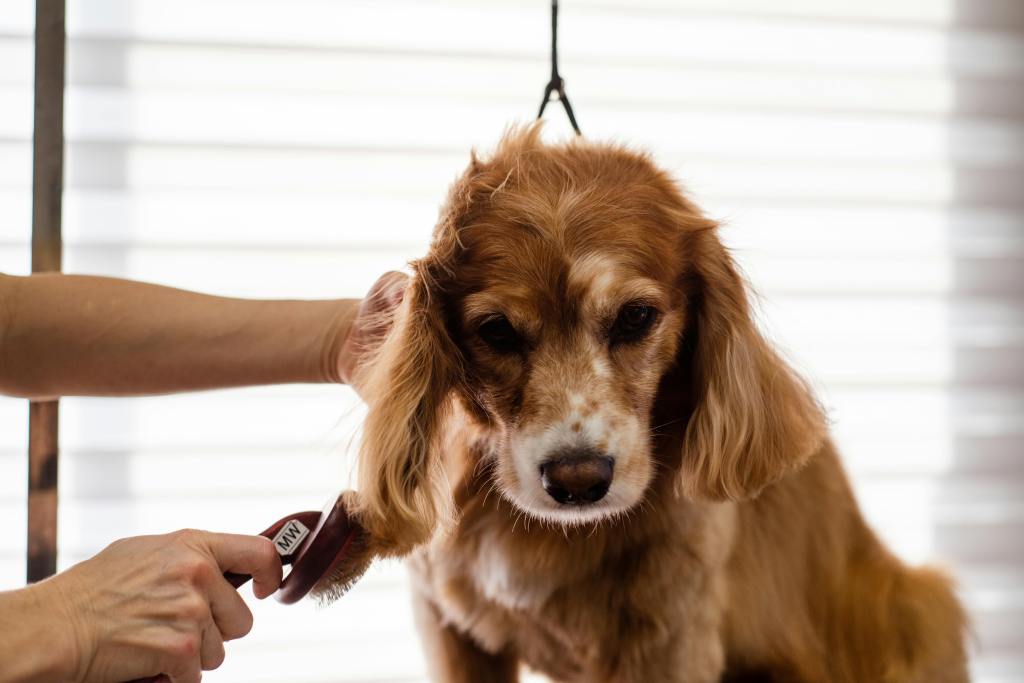
Understanding Your Dog’s Coat
Every coat type needs its own care routine. Some are easy to manage, while others demand daily attention and professional grooming.
- Long coats (like Collies or Afghan Hounds) can tangle easily, so frequent brushing is essential to stop mats forming.
- Curly coats (such as Poodles, Cockapoos, and Bichons) are deceiving — they might look fluffy and tidy on top, but a slicker brush only reaches the outer layer. Underneath, mats can silently form close to the skin, pulling uncomfortably and trapping moisture.
- Double coats (think Huskies, Golden Retrievers, and German Shepherds) shed heavily at certain times of year and need deep brushing to remove loose undercoat.
- Woolly or mixed coats often need the most maintenance of all, combining traits from several coat types.
Dogs with these coat types especially benefit from early training and regular handling — not just for appearance, but for their comfort and health.
Don’t Rely Only on the Breeder
It’s easy to assume your breeder knows best about coat care, but their advice often covers the basics rather than what real life demands. They might not account for your local weather, your dog’s activity level, or how quickly their coat thickens as they mature.
Do your own research into your dog’s coat type and talk to professional groomers early. Many are happy to offer tips on brushing, product choices, and maintenance schedules. A little preparation and expert advice early on will save you from painful tangles, skin irritation, and big grooming bills later.
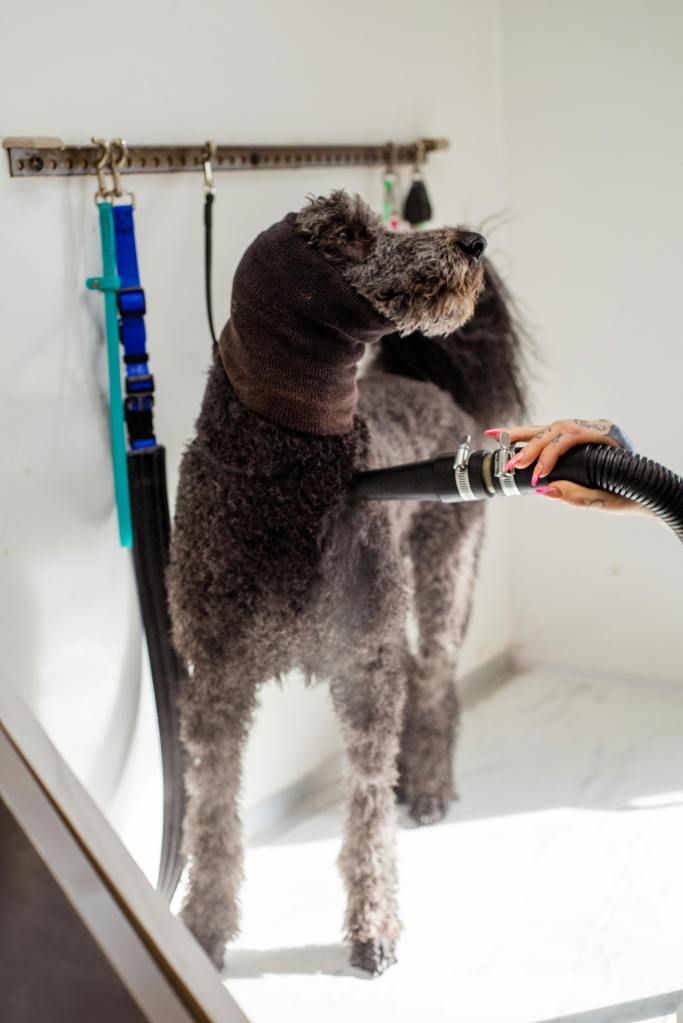
Early Training Makes a Huge Difference
Whether you have a young pup or an older rescue, it’s never too early (or too late) to start training for calm grooming. The goal is to help your dog see brushes, combs, and dryers as normal, not frightening.
Start small:
- Let your dog sniff and inspect the tools first.
- Gently touch them with the brush for a second or two, reward, and stop.
- Gradually increase how long you brush as they become comfortable.
- Always praise calm behaviour and keep sessions short and relaxed.
Consistency is key. Even a few minutes every other day helps your dog get used to the process — and it’ll make a huge difference at the groomer’s later on.
Work With a Groomer Early
If your dog’s coat requires regular trims, introduce them to a groomer as soon as possible. Even short, positive visits — a brush, a bath, or just a meet and greet — can help them get used to the sights, sounds, and handling involved.
Some dogs are notorious for finding parts of the grooming process unpleasant. Huskies, for example, often dislike having their paws or tails touched. A good groomer will know this, but training your dog at home to tolerate gentle handling in those areas can really help.
If your dog becomes fearful or reactive during grooming, many salons may refuse to take them in the future. Early training and regular exposure prevent that — and make grooming a much calmer experience for everyone involved.
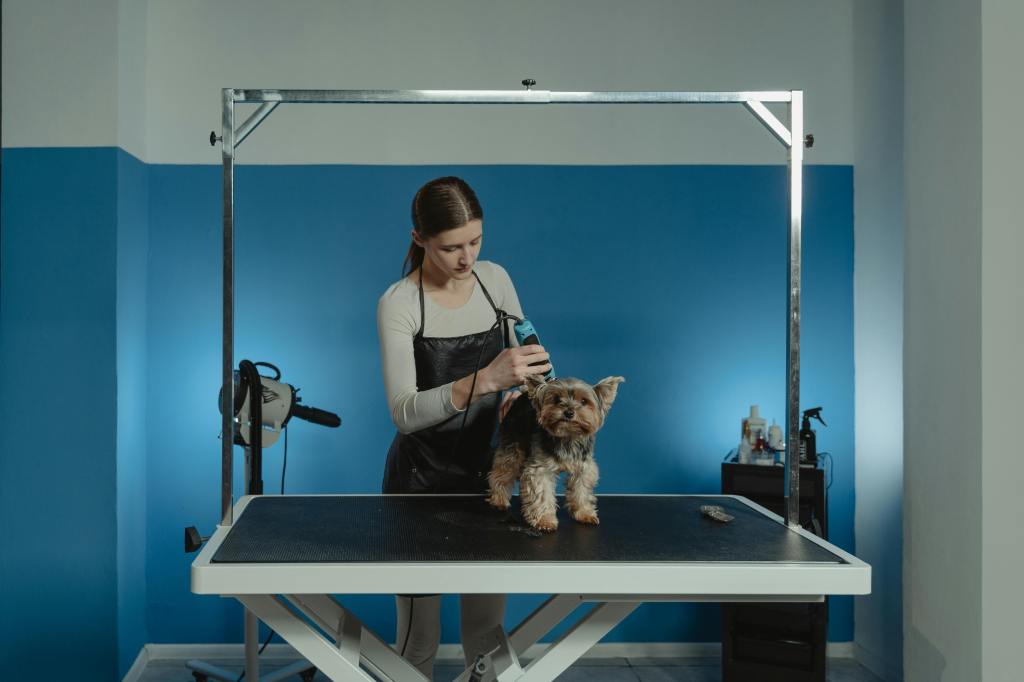
Considering At-Home Grooming
Professional grooming can get expensive, especially for dogs that need regular sessions. To help with the cost, some owners choose to handle parts of the routine at home — brushing, drying, or even simple tidy-ups between professional appointments.
If you’re thinking about doing some grooming yourself, it’s important to invest in knowledge and proper tools. Using the wrong equipment can make things worse rather than better. Many owners find it worthwhile to buy items like a high-velocity dryer (which blows water and loose hair out of the coat efficiently) or a sturdy grooming table to make brushing and trimming easier.
It can be an expensive setup at first, but it pays off over time. Still, for haircuts and detailed trimming, it’s best to leave things to a professional groomer — they’re trained to shape coats safely and know how to handle different coat textures.
Make Grooming a Positive Experience
The way you approach grooming matters just as much as the tools you use. Keep your voice calm and steady, and make the experience rewarding. Offer treats, take breaks, and use grooming time as a chance to bond. Even a quick brushing session can be turned into a positive, affectionate moment.
Remember: your dog is learning every time you pick up the brush. Patience and kindness will always go further than force.
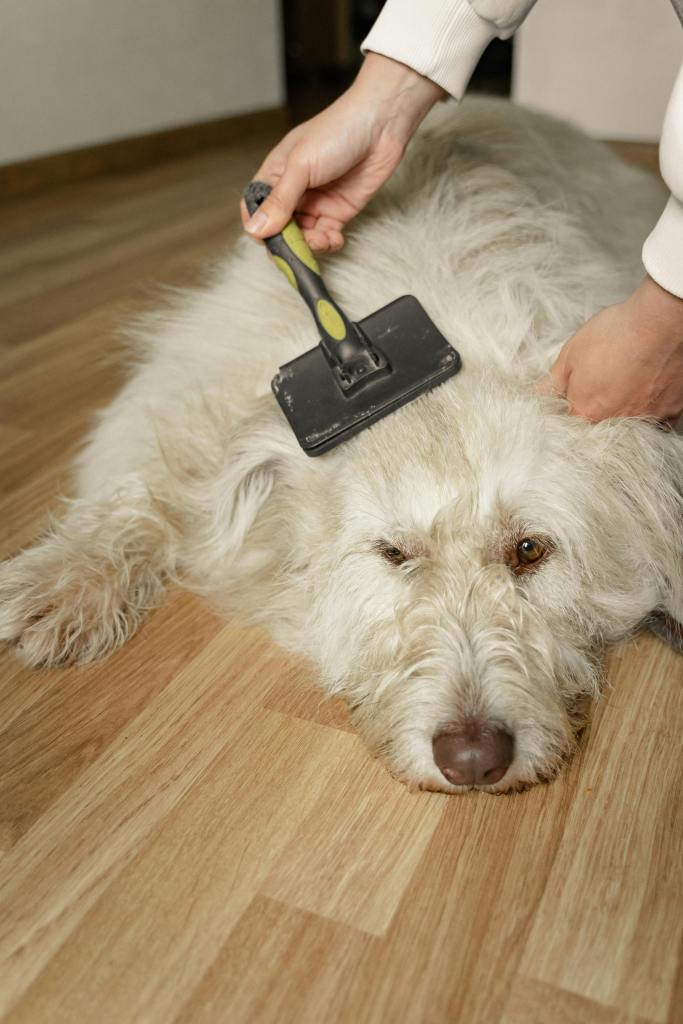
Training your dog to enjoy grooming isn’t about perfection — it’s about building comfort and trust. With the right tools, a bit of research, and plenty of patience, you can make grooming a normal, even enjoyable, part of your dog’s life.
And if your dog could use a little help burning off energy before their next brushing or grooming appointment, regular walks can make a world of difference. A tired, happy dog is always easier to groom — and that’s something I can certainly help with. 🐾
Don’t forget, every walk booked with me will earn you stamps on my Loyalty Card brings. One of the rewards is a pamper brush session — a gentle brush-out that not only feels great for your dog but also helps with coat maintenance between grooming appointments. If I take over some of the brushing sessions, it can really help make your life easier.
 Let's Bork