
🐕🦺Dog Training Tips of February
If your dog bounces around like a pogo stick every time someone walks through the door, you’re definitely not alone. Jumping up is a common behaviour — and it usually comes from excitement, not mischief. Your dog’s just thrilled to see people! The trick is helping them learn that calm greetings get more attention than enthusiastic leaps.
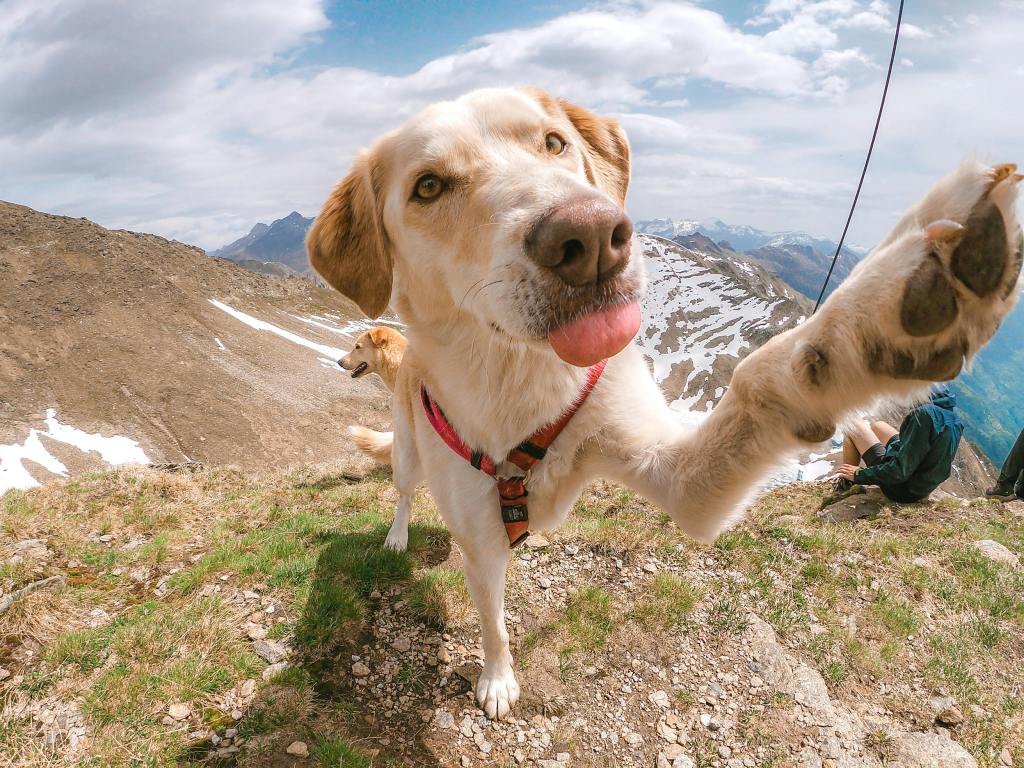
Why Dogs Jump Up
Most dogs jump because it’s worked for them in the past. When they were puppies, someone probably bent down for a cuddle — and voilà, jumping was rewarded with attention. It’s easy to see why they’d keep doing it!
Jumping can also happen when dogs feel overwhelmed or unsure. Excitement, frustration, and nervous energy can all look the same — so your job is to help your dog stay composed, confident, and focused during greetings.
Start Small and Go Gradually
Before you start practising calm greetings with every visitor or person you meet outside, it’s important to build reliability at home with familiar people first.
If your dog can’t manage calm greetings with the household yet, they’re unlikely to cope when excitement levels rise with guests or strangers. Start by making sure your dog can greet you and everyone who lives with them politely and predictably.
That means:
- Practise with one person at a time.
- Keep sessions short and upbeat.
- Only increase difficulty when your dog succeeds easily at the current level.
Once your dog can stay calm when greeting all the regular members of your household — even when they’re coming and going with coats, bags, or shopping — then it’s time to invite a few close friends to help. Slowly widen the circle until calm greetings are second nature, no matter who walks through the door.
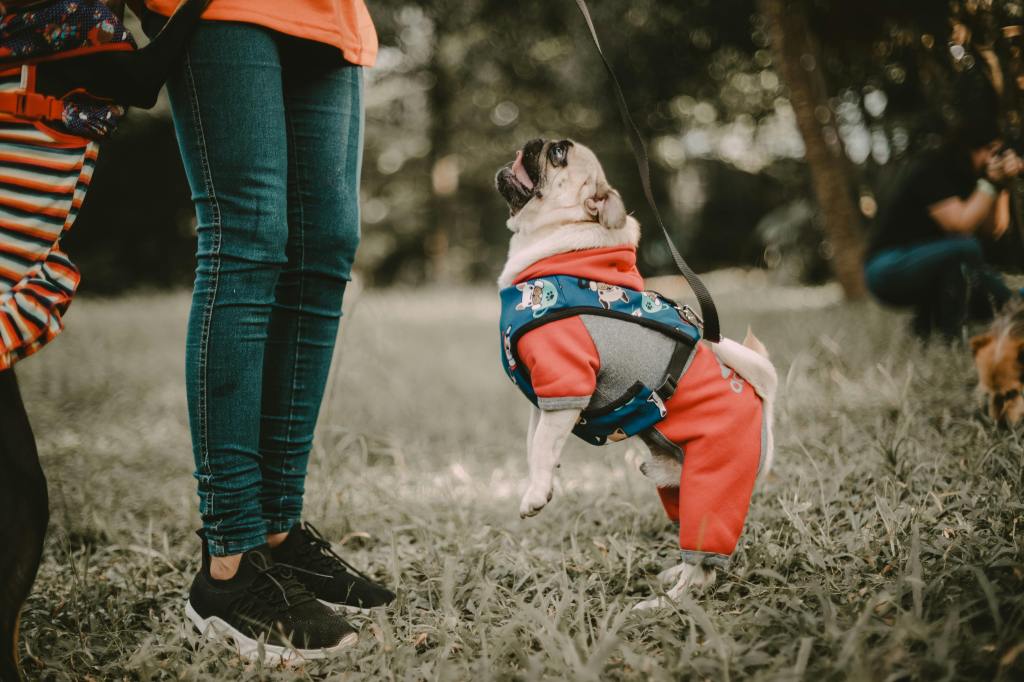
How to Teach a Calm Greeting at Home
Here’s a simple plan to turn that jumping into polite tail wags:
- Ignore the jumping.
When your dog jumps up, turn your body away, cross your arms, and look up. Don’t speak or push them off — any response can feel like attention, which is exactly what they’re after. - Reward calm behaviour.
The second your dog’s paws are all on the floor, calmly mark it (“yes!” or click) and reward with a treat, gentle fuss, or verbal praise. They’ll quickly learn that calmness brings attention, not jumping. - Add a cue.
Once your dog understands that calm = reward, introduce a cue like “say hello nicely” or “four on the floor.” This helps them understand exactly what behaviour earns them affection. - Controlled practice sessions.
Have family members or friends help by coming in and out of the door, so your dog can rehearse the behaviour repeatedly. Keep sessions short and upbeat. - Keep greetings calm.
When you come home, avoid high-pitched voices or quick movements that add to their excitement. Wait for calm before saying hello.
Practising Calm Greetings on Walks
Walks are full of distractions — people, dogs, smells, and excitement. But they’re also perfect opportunities to build your dog’s greeting manners in real-world settings.
Here’s how to teach calm greetings step-by-step:
- 1. Start with Distance: If your dog gets overexcited when they see people or dogs, don’t walk straight up to them. Begin at a distance where your dog can see the trigger without losing focus. Feed a few treats for simply noticing calmly. This teaches them that staying composed earns rewards.
- 2. Teach a Reliable ‘Sit to Greet’: Before greeting anyone, ask your dog to sit. Use a cheerful but calm tone — and only allow the greeting to happen once your dog’s bottom touches the ground. If they jump up, have the person turn away or step back, removing the attention. Then try again. Over time, your dog will understand that sitting politely = greeting time, while jumping = nothing happens.
- 3. Use a Short Lead and Clear Cues: When you approach someone, shorten the lead slightly (without tension) so you have control but still give your dog enough room to move comfortably. Use cues they already know, like “watch me” or “sit,” to help them focus.
- 4. Keep Greetings Brief: Let your dog say hello for just a few seconds — three to five is plenty! Then call them back, reward, and move on. The goal isn’t to stop greetings altogether, but to make sure they remain calm and controlled.
- 5. Practise with Familiar Faces First: Start with people your dog knows, then slowly introduce new people or friendly dogs. The more controlled practice they get, the more confident and polite they’ll become in real-world situations.
- 6. Build Up to Busier Environments: Once your dog can handle calm greetings in quiet areas, practise in slightly more exciting places — like a park entrance or along a walking path. Always go at your dog’s pace; pushing too fast can undo progress.
- 7. Don’t Forget the Release: After greeting, give a cue like “all done” and walk away happily. This tells your dog the greeting is finished and prevents them from hanging around waiting for more.
- Consistency is Key: Calm greetings will only stick if everyone plays by the same rules. Ask friends, family, and even strangers not to fuss your dog unless they’re calm and on the floor. It can feel awkward at first, but it’s worth it — clear, consistent boundaries make learning faster and easier for your dog.
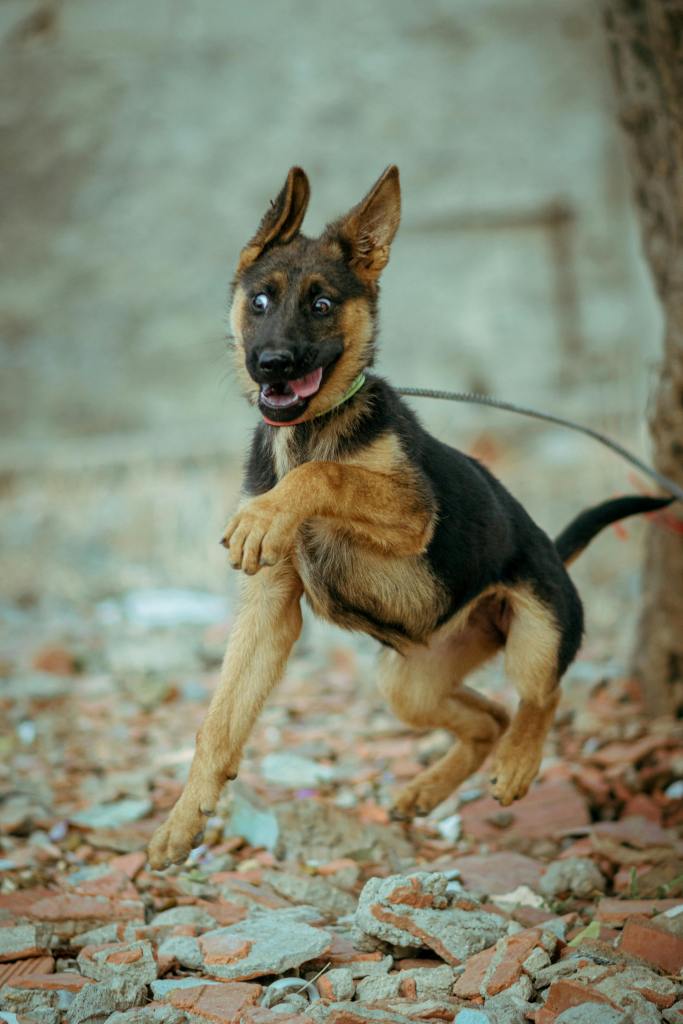
Polite greetings aren’t just about good manners — they also build your dog’s impulse control and confidence. A dog who can stay calm around new people or other dogs is much easier to walk, and much happier in day-to-day life.
With patience and steady progress, your dog will start greeting everyone — at home or on the go — with a wagging tail and four paws firmly on the ground.
If you’d like help working on calm greetings, I offer both dog walking sessions that reinforce good manners and one-to-one training lessons for focused practice. Whether your dog needs everyday structure or targeted guidance, I can tailor each session to suit their pace and personality — helping them grow into a calm, confident companion.

