📰Dog Walking and Pet Sitting News of December: Pick That Poop!
When we think about being a responsible dog owner, picking up after our dogs is one of the most basic (and least glamorous!) parts of the job. But it’s also one of the most important — not just for keeping our streets and parks pleasant, but for protecting people, wildlife, and the environment.
Unfortunately, not everyone realises the full impact that dog waste can have — especially when it’s left behind in fields or rural areas.
It’s Not Just About Mess — It’s About Health
Dog waste isn’t the same as manure from cows or horses. Dogs eat processed food and meat, so their faeces contain bacteria, viruses, and parasites that can harm humans, dogs, and wildlife.
Here are a few of the main risks:
- Waterway contamination: When rain washes uncollected dog waste into drains or streams, it can contaminate rivers and lakes with harmful bacteria like E. coli and Campylobacter. These can pose health risks to humans and wildlife, and contribute to algae blooms that damage ecosystems.
- Parasites: Dog faeces can carry parasites such as Toxocara canis (roundworm), which can survive in soil for years. Children are particularly at risk because the eggs can accidentally be ingested when playing on contaminated grass or soil.
- Spread of disease: Other dogs can pick up infections when they sniff or step on faeces, which can spread illnesses like parvovirus or giardia.
Even in wide, open spaces, dog waste doesn’t “just go away.” It can take months to decompose, and in the meantime, the harmful organisms remain active.
“It’s Just a Field” — The Common Misunderstanding
A common belief among dog owners in the UK is that it’s fine to leave dog waste in a field, especially if livestock graze there or if it’s “out of the way.” But that’s a big misconception.
Dog waste in fields can contaminate grass and soil where animals feed. Farmers have repeatedly warned that dog faeces can cause diseases like neospora, which leads to miscarriages in cattle and sheep. Even a small amount of contamination can cause costly losses to farmers.
So whether it’s a town park, country trail, or quiet meadow, the rule is simple: always pick it up.
How to Stay on Top of It — Especially with Multiple Dogs
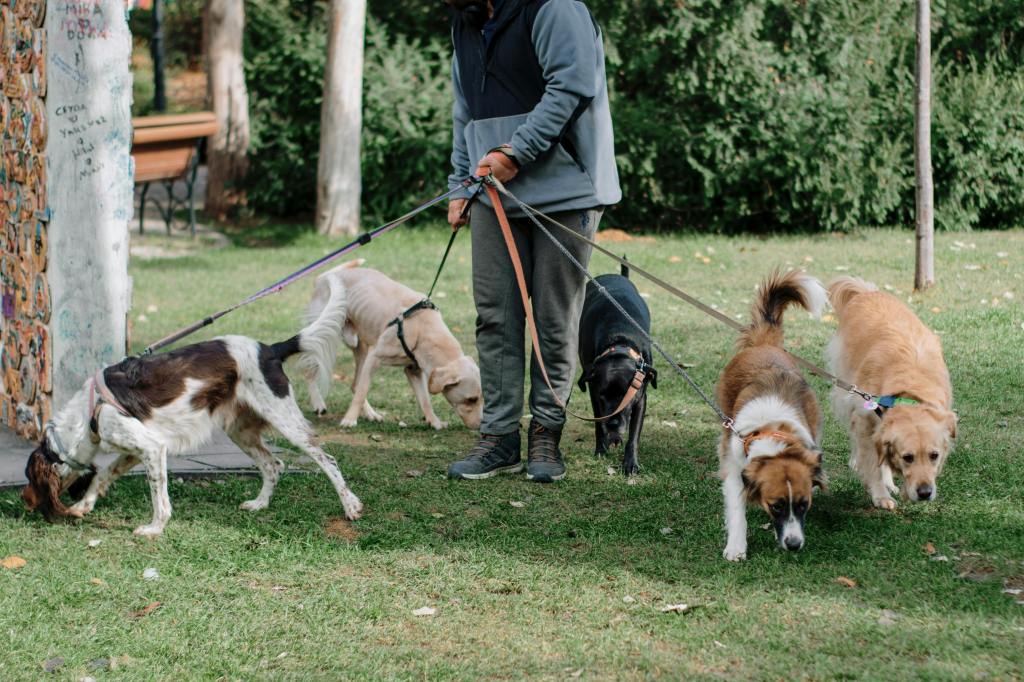
If you walk more than one dog or let them off lead, it can be tricky to keep track of who’s gone where. But there are ways to make it easier:
- Keep an eye on body language. Dogs often circle, sniff, or pause before they go — you’ll start to notice the signs once you know each dog’s habits.
- Stick to open sight lines. Avoid dense vegetation or long grass where you can easily lose track.
- Carry extra bags. Keep spare rolls in your pocket, car, and lead bag — it’s amazing how often they come in handy.
- Use a temporary bin. Portable poop bag bins (like the DooDoo Dog Bin) are great if you’re walking for a while before finding a public bin.
- If you see someone not picking up, stay kind. Sometimes people genuinely don’t notice their dog has gone — a polite heads-up usually goes down better than confrontation.
It’s About Respect — For Everyone
Picking up after dogs shows respect for our community and the spaces we share. It protects public health, helps local wildlife, and keeps walking areas enjoyable for everyone — dog lovers and non-dog lovers alike.
At the end of the day, every little bag makes a difference.
If you’d like help managing your walks — especially with multiple dogs or off-lead recall — I offer one-to-one training and regular dog walking sessions that keep dogs happy, active, and well-mannered on their adventures.
🐾 Get in touch to book a walk or training lesson and let’s make every outing a good one.
 Let's Bork