
🐕Dog Safety Tips For Every Season: Autumn Edition
🪳Watch Out for Ticks
As the leaves fall and the temperatures drop, it’s easy to think tick season is over — but don’t be fooled! November might feel chilly, but ticks are still very much around and can pose a serious risk to your pets long after summer ends.
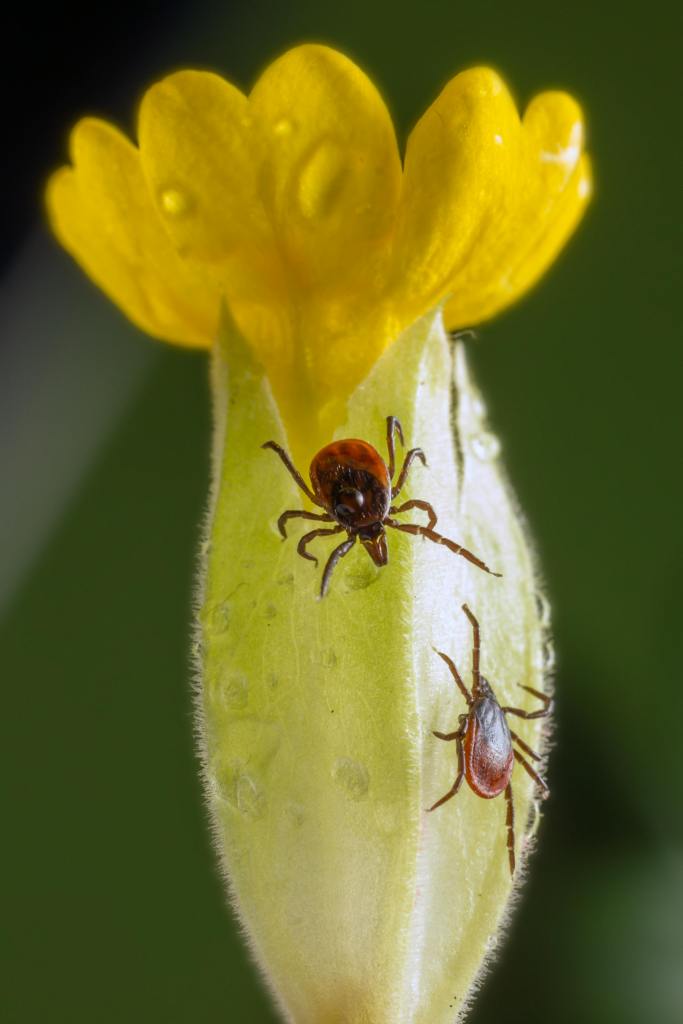
Why Ticks Are Still a Problem in Autumn
Ticks don’t disappear when the weather cools down. Many species, including the deer tick (black-legged tick), remain active until temperatures consistently drop below 4°C (around 40°F). Autumn walks through long grass, woodland paths, or even leaf piles can all expose your dog to ticks looking for their next meal.
How Ticks Affect Pets
Tick bites aren’t just irritating — they can spread serious diseases. In the UK, ticks can transmit:
- Lyme disease, which causes fever, lethargy, joint pain, and loss of appetite.
- Anaplasmosis and babesiosis (less common, but still possible), both of which can make pets very unwell.
Even if your pet seems fine after a bite, tick-borne illnesses can take weeks to show symptoms — making regular checks essential.
Where Ticks Hide
Ticks like shady, moist environments. In autumn, they often hide in:
- Long grass or overgrown verges
- Woodland trails and fallen leaves
- Parks and gardens with plenty of wildlife
If your dog loves a good romp through the undergrowth (and let’s face it, most do!), make a quick tick check part of your post-walk routine.
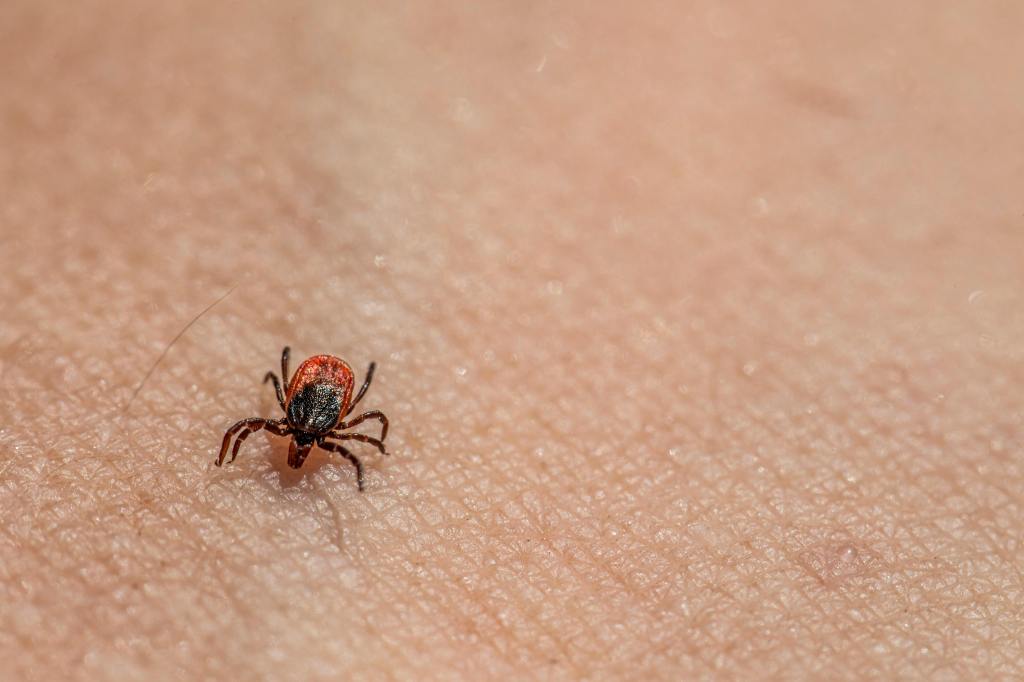
Tick Prevention Tips for November
- Use a vet-recommended tick treatment year-round — not just in summer.
- Check your dog’s coat and ears after every walk, especially if they’ve been exploring tall grass or woodland.
- Brush through their fur to help spot anything unusual.
- Remove ticks promptly and correctly — use a tick remover tool and twist gently, never pull straight out.
- Wash bedding and vacuum regularly to help reduce the risk of indoor hitchhikers.
When to Contact Your Vet
If you spot a tick that looks engorged, or your dog becomes unusually tired, feverish, or stiff after a walk, get in touch with your vet right away. Early treatment makes a big difference.
Autumn walks are wonderful, but ticks haven’t gone into hibernation just yet. Staying alert through November will keep your furry friends healthy, happy, and ready for all those crisp morning adventures!
At Let’s Bork, we always give each dog a quick once-over after their walk — especially during tick season — to make sure they’re comfortable and feeling their best. Every outing is about care, attention, and plenty of tail wags. 🐾
 Let's Bork