
🐕🦺Dog Training Tip Of November: Puppy Socialization
When you welcome a puppy into your home, everything is brand new! They’re just a few weeks old and, until now, have mostly known the comfort of their mother and siblings—their sights, smells, and sounds. Suddenly, they are weaned and step into a completely new world: a new family, a new home, and a whole lot of new experiences.
This big change can be overwhelming for many puppies. That’s why it’s important to introduce them to the world slowly and positively. Gradual, gentle exposure helps prevent fear from developing and sets the foundation for confidence and adaptability. With the right start, your puppy will learn to navigate anything life throws at them and develop the social skills to make friends with ease.
🏁When To Start
When you welcome a puppy into your home, everything is brand new! They’re just a few weeks old and, until now, have mostly known the comfort of their mother and siblings—their familiar smells, sounds, and warmth. Then suddenly, they’re off to a new home with new people, new routines, and a whole lot of new experiences to figure out.
That’s a huge change for such a tiny pup! So it’s no surprise that socialization — gently introducing them to the big, wide world — plays a massive role in helping them grow into confident, well-adjusted dogs.
🐕 What Socialization Really Means
Socialization isn’t just meeting other dogs. It’s about helping your puppy learn that the world is a safe, interesting, and fun place.
That means getting used to:
- Different people (ages, appearances, voices)
- Other friendly dogs and animals
- Environments like parks, pavements, and car rides
- Everyday sights and sounds — vacuum cleaners, bikes, bins, umbrellas, traffic, and more
The goal? To show your puppy that new things aren’t scary — they’re opportunities for treats, praise, and fun!

🐶 When to Start
The key window for socialization is roughly 8–16 weeks old.
That’s when your puppy’s brain is soaking up new experiences fastest.
But don’t panic if they’re older — it’s never too late to start introducing them gradually and positively.
If your puppy isn’t fully vaccinated yet, you can still help them learn!
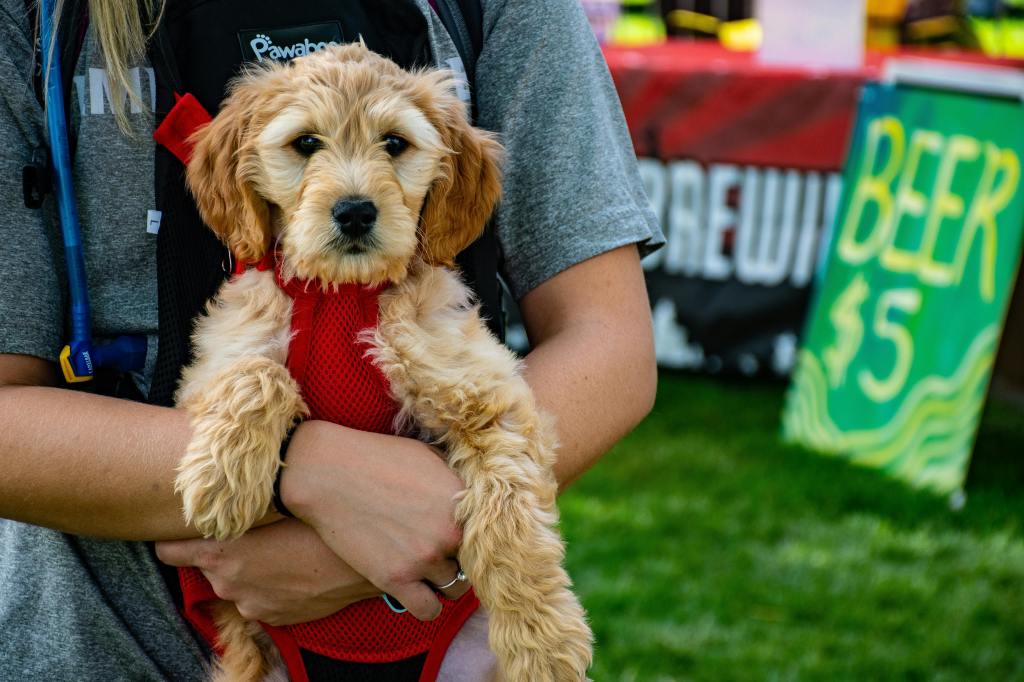
Carry them in your arms or a carrier to watch the world safely — cars passing, kids playing, dogs walking by — all from a comfy, positive distance.
💡 How to Do It Right
- Keep new experiences short, calm, and positive.
- Let your puppy approach at their own pace.
- Reward curiosity with treats, toys, and praise.
- End each session on a happy note.
If they seem unsure — tuck tail, hide, or freeze — take a step back. Go slower next time. The goal is confidence, not exposure overload.
🚫 Common Mistakes to Avoid
❌ Forcing your puppy to interact when they’re nervous
❌ Overwhelming them with too much too soon
❌ Only socializing with one kind of person, place, or dog
Every puppy is different, so patience and positivity go a long way.
Puppy socialization is about building trust. The more positive experiences your puppy has now, the easier life will be later — for both of you!
So get out there, explore the world together, and make every new experience a fun one.
🐾 Want a hand introducing your pup to the world?
I offer friendly puppy walks and confidence-building visits to help your new addition get the best start possible — contact me to find out more!
 Let's Bork