
🐕Dog Safety Tips For Every Season
🪱The Dangers Of Lungworm
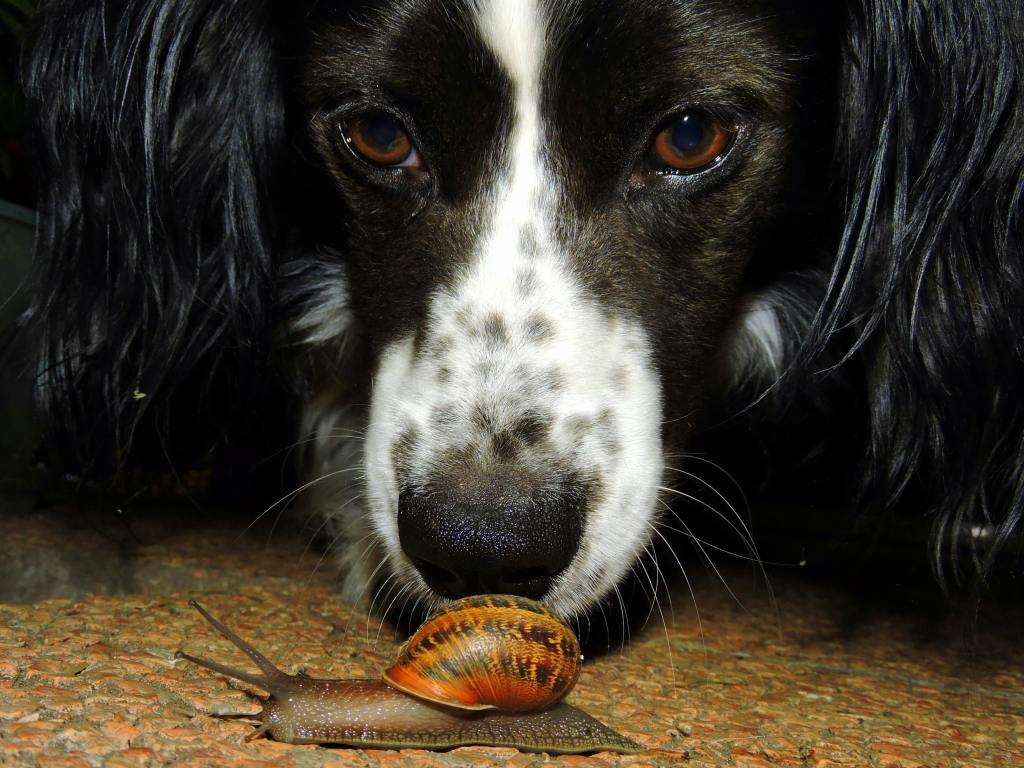
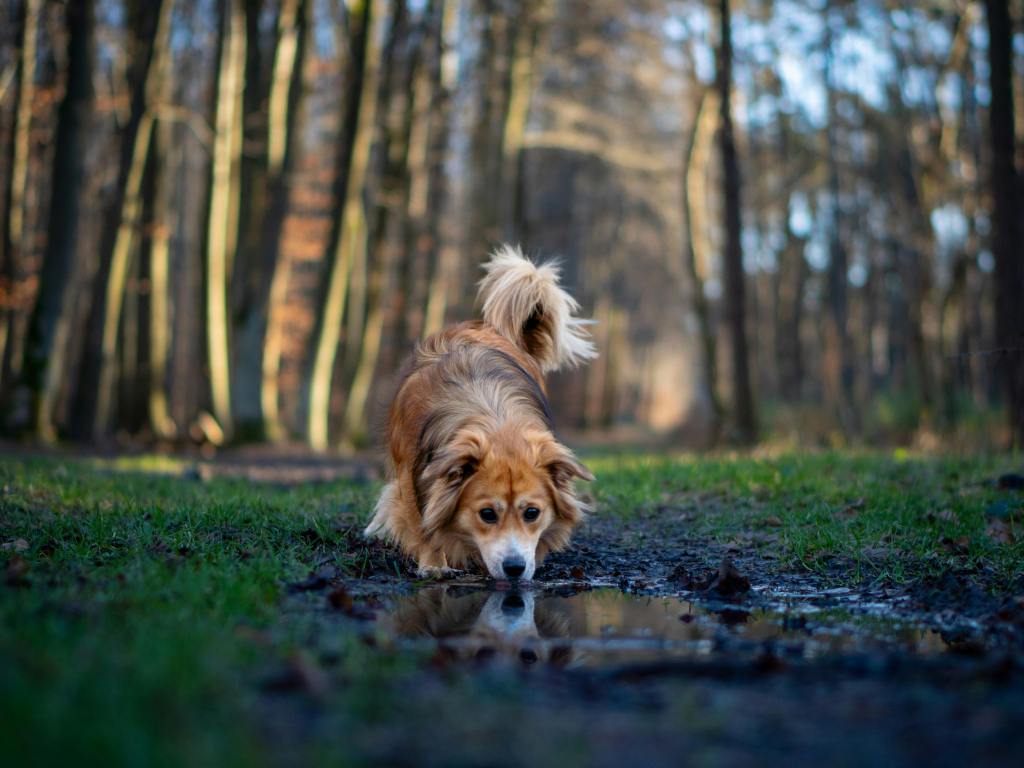
Lungworm is a dangerous parasitic infection that dogs can contract by ingesting slugs or snails carrying the parasite. But even if your pup isn’t in the habit of munching slimy critters, the risk is still there. Dogs can pick up the infection from contaminated objects or areas — like sipping from a puddle or grabbing a toy left in the garden overnight.
😨Why It’s Dangerous
This infection can be really unforgiving. The larvae will start out in the lungs but then spread throughout the whole body feeding on the dog’s blood. This will cause internal haemorrhages which can be fatal to the dog.
🌡️Symptoms
- Coughing: A persistent cough is a common sign of lungworm.
- Breathing Problems: You may notice changes in breathing, such as heavy or laboured breathing, or increased panting.
- Lethargy and Depression: Affected dogs may seem tired, less interested in exercise, and generally depressed.
- Weight Loss: Unexplained weight loss can occur.
- Loss of Appetite: Your dog might not want to eat as much as usual.
- Unexplained Bruising: You may see bruising without a known cause.
- Prolonged Bleeding: Small cuts and grazes may bleed for a longer time than normal.
- Nosebleeds: You might observe nosebleeds.
- Pale Gums: Pale gums can be a sign of anemia, which can be caused by internal bleeding.
- Vomiting and Diarrhoea: Gastrointestinal upset, including vomiting and diarrhoea, can be a symptom.
- Neurological Signs: In some cases, lungworm can cause more severe symptoms such as seizures.
- Collapse: Severe infections can lead to weakness, collapse, or even shock.
💊Treatment & Prevention
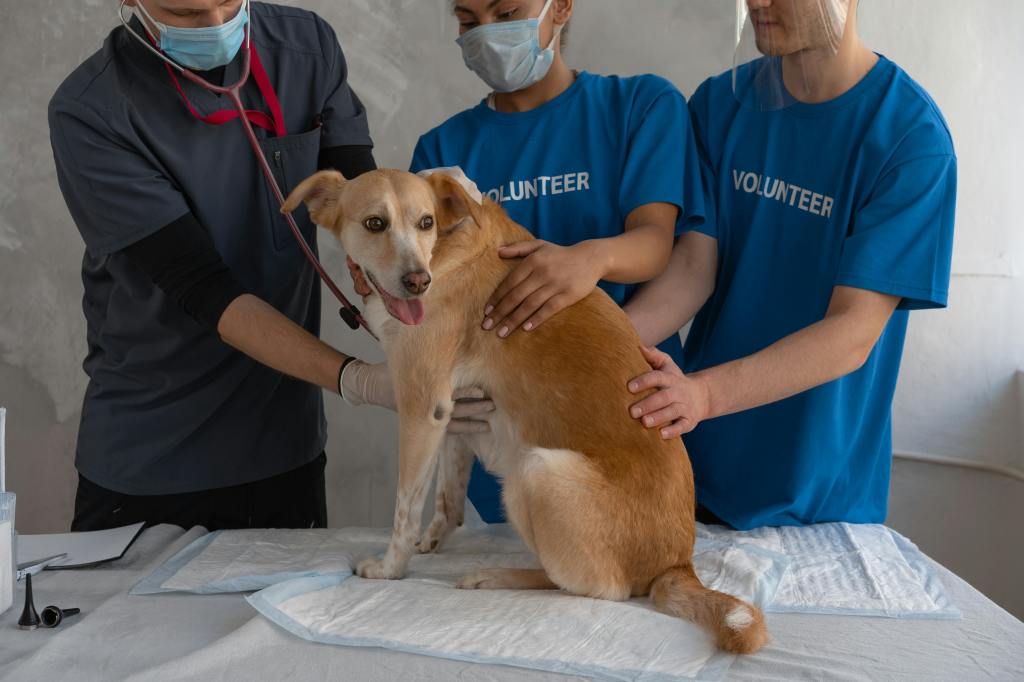
The treatment depends on your dog’s condition. In mild cases, a vet-prescribed deworming tablet is often enough to clear the infection. But if the lungworm has already caused damage to other parts of the body, treatment can be more complex and may involve additional medication or supportive care.
For this reason prevention is really important, especially in the south of England as the infection is more common. The best option is to give your dog a regular anti-parasite treatment that can be prescribed by your vet and cover lungworm. Other preventative mesures include not letting your dog drink from puddles, eat snails or slugs and to frequently change the water in your dog’s outside water bowl.
Awareness and prevention are the best defences against lungworm. A little caution goes a long way in protecting your dog’s health. And if you ever need a reliable walker to give your pup the exercise and care they deserve, I’d be happy to help. 👇
 Let's Bork