
🐾 Helping Your Aging Companion Thrive
Time flies when you have a pet—one minute, they’re zooming around the house, acting like they’ve had too many cups of coffee, and the next, they’re giving you the ‘5 more minutes, mum’ side eye when you ask them to get up so you can make the bed. It’s wild how quickly they go from being our energetic companions to our calm, wise senior buddies. Sure, it’s tough to think about them not being around forever, but having a senior pet is a privilege—not everyone gets that.
During their lifetime, we’ve been mostly on the receiving end of their love. Sure, we showered them with loads of treats, long sessions of tug-of-war games that almost dislocated our shoulders, and gave countless belly rubs on cozy evenings. But in the moments when we were busy with life, we almost didn’t notice someone following us around the house, never taking their eyes off us. In those quiet moments when their love was often overlooked, that’s where their love was the loudest.
So, once our rambunctious youngsters become grumpy seniors, we owe it to them to love them back the same way! But how do we know when it’s time to make changes, and what do we do? Here are some tips to help you care for your senior pet.
1️⃣ Recognizing the Signs of Aging
We’ve all heard of a pet’s ‘general lifespan,’ and we probably know when our furry friend becomes a senior—usually around the same time they start napping more than they used to and squinting at us like they’ve seen it all. But the truth is, it’s not as simple as a number. With the right care earlier on, pets can age like fine wine! Quality food and an active lifestyle can make a huge difference. So, how do we know when it’s time to make changes? Well, it’s all about picking up on the signs… and the fact that they might not be able to jump on the couch anymore without a little help.
As our pets age, they start showing some adorable (and sometimes hilarious) signs that they’re turning into the wise, senior versions of themselves. Whether you’ve got a dog, a cat, a bunny, or even a guinea pig, here’s a fun guide to spotting those “golden years” signs:
- Slower Moves: Whether it’s your dog limping, your cat taking extra time to leap onto the windowsill, or your bunny moving a little slower through the tunnels, senior pets have learned the art of a slow-motion zoomie. They’ve earned it, so let them take it easy!
- More Naps: Napping seems to have become an Olimpic Sport. They are very serious about it – with cats only waking up to eat.
- Less Playtime: Fetch? Maybe not. Chasing toys around? Only if it doesn’t involve getting up. If your dog or cat isn’t as interested in their favorite game or your rabbit seems less inclined to zoom around, it could be the sign of a senior who’s all about the relaxed vibes.
- Weight Watcher: Senior pets might show a few more pounds (hello, extra treats!) or sometimes lose weight if they’re not eating as much.
- Picky Eaters: Suddenly, your dog won’t touch their food, your cat turns their nose up at the fancy tuna, or your rabbit’s refusing those leafy greens they once adored? Aging pets sometimes get picky about their meals, either due to dental issues or just because they’re too wise for that old kibble.
- Selective Hearing (or Vision): Is your cat ignoring your ‘treat time!’ calls? Or maybe your dog is bumping into walls? Or your hamster’s losing their way in the maze? As pets age, hearing and vision can start to fade. You might need to start waving a treat in the air to get your dog’s attention instead of calling their name.
- Tooth Troubles: Bad breath isn’t just a dog thing! Cats, rabbits, and guinea pigs can also develop dental problems. Your pet might avoid certain foods or just not seem as excited about eating. A quick check-up from the vet can keep those pearly whites (and gums) in check.
- Thirsty Work: If your dog, cat, bunny, or small animal suddenly starts drinking like they’re about to be exiled to the desert, it might be time for a vet check. Increased thirst and urination can be signs of kidney disease, diabetes, or other health issues that are more common in seniors.
- Lumps and Bumps: Whether it’s a lump on your dog’s belly, a bump on your rabbit’s ear, or a small growth on your guinea pig’s side, these are common in senior pets. More often then not they are benign.
👉 Tip: Whenever you are unsure about something, go to the vet. It’s better for the vet to tell you that what you though was a bump is in fact your dog’s nipple than to underestimate an issue. Try to be on a regular schedule for regular twice-yearly vet check-ups, they are a must to help detect aging-related conditions early!
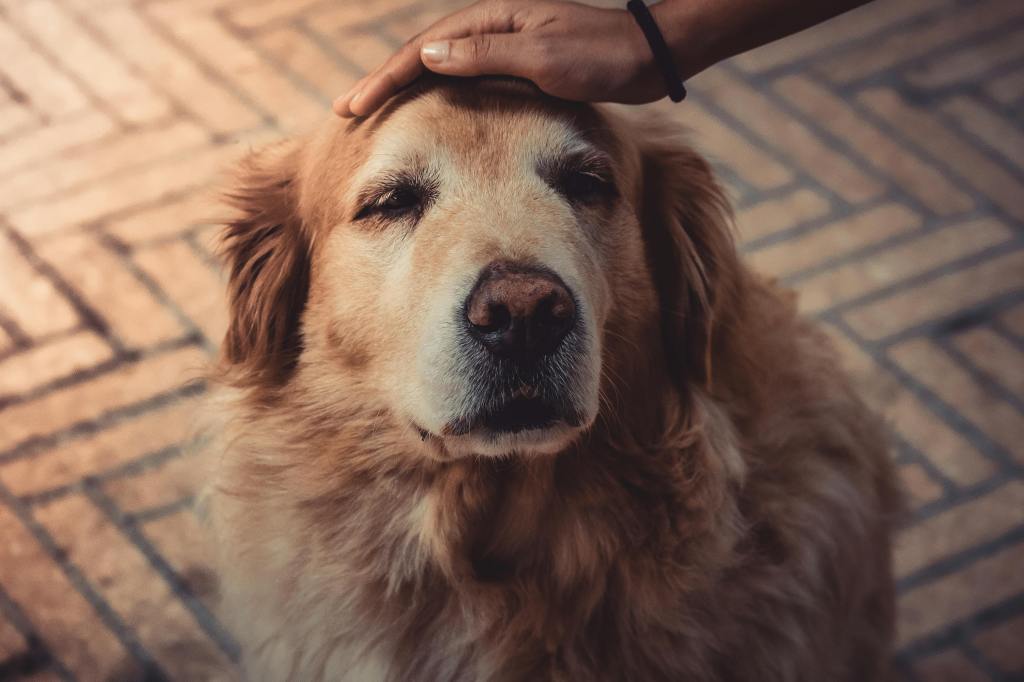
2️⃣ Adjusting Their Diet for Senior Health
As our lovely seniors age, their nutritional requirements change. They will need:
Calories and Fat – As their metabolism slows, senior pets need fewer calories and less fat while still requiring high-quality nutrition.
Proteins – Older pets tend to be affected by muscle mass loss and joint degradation, so high-quality proteins are needed for support. However, some proteins are harder to digest, so make sure to check the label for their source.
Fiber – To aid digestion, it’s important to offer food high in fiber. This also helps fill them up and makes them feel less hungry.
Other Important Nutrients – Essential nutrients for senior pets include:
- Omega-3 fatty acids (for joint and brain health)
- Glucosamine and chondroitin (to support joints)
- Antioxidants (to boost immune function)
Pro tip – Consider teeth issues when choosing the right food and go for soft-textured options when you can. Introduce changes slowly to give their tummy time to adjust.
Keeping Your Pet at a Healthy Weight is Important!
Excess weight puts additional strain on their joints, can lead to cardiovascular issues, and—for short-nosed breeds—can make breathing more difficult. It also makes grooming a challenge, which means they might start struggling to keep themselves clean.
So don’t fall for those puppy eyes, and definitely don’t leave your senior alone with Grandma if food is her love language! The more extra weight they carry, the quicker they’ll tire from exercise. He won’t thank you for it, and he’ll absolutely try to make you feel guilty—but it’s ultimately the right thing to do!
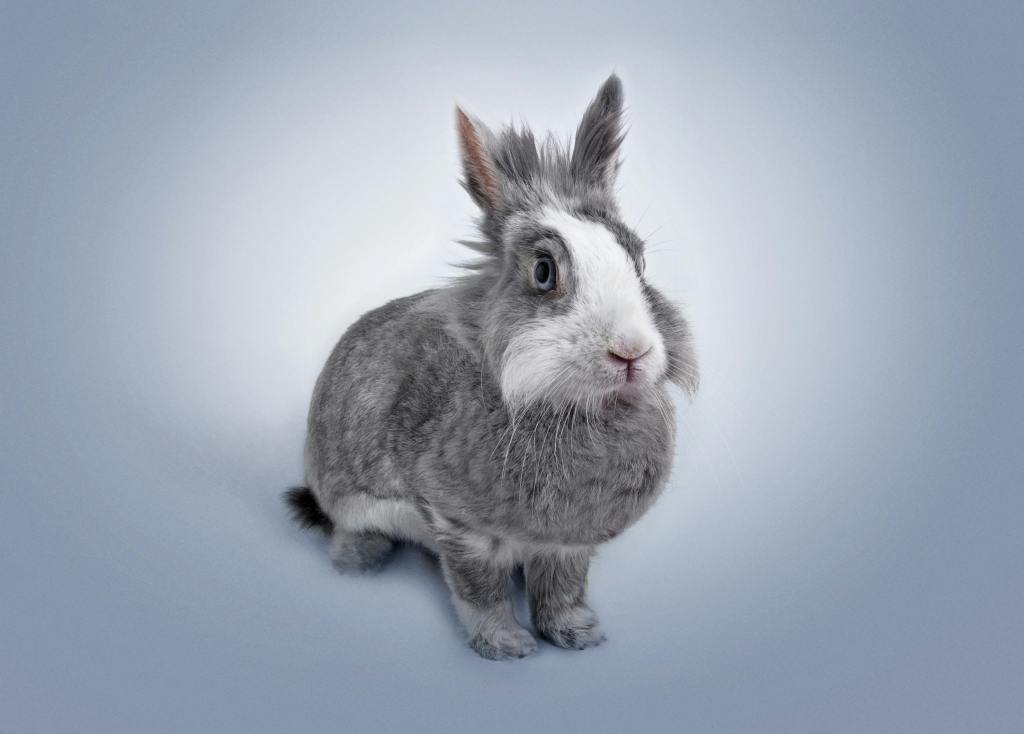
3️⃣ Managing Joint Pain & Mobility Issues
One of the most common conditions in aging pets is arthritis. It’s characterized by pain and stiffness in the joints, which can lead to slower movements and fewer enthusiastic greeting jumps.
Vets may prescribe medication for pain, but there are also things you can do at home to help them stay comfortable—including making it easier for them to snuggle up in bed with you!
✅ Use ramps whenever you can. It might seem silly, but this simple solution can make a huge difference. Some ramps have stairs, while others are flat, but all of them help make beds and sofas more accessible. You can even find tiny ramps designed for litter boxes and cages!
✅ Opt for shorter, more frequent walks, and keep their mind engaged with puzzle toys.
✅ Consider elevated food and water bowls to reduce the strain on their back and neck.
✅ Add non-slip surfaces using mats and carpets to improve traction.
✅ Trim the hair between paw pads for long-haired dogs and cats. If their paw pads are covered, they can easily slip and fall.
✅ Make their bed extra comfy by adding padding
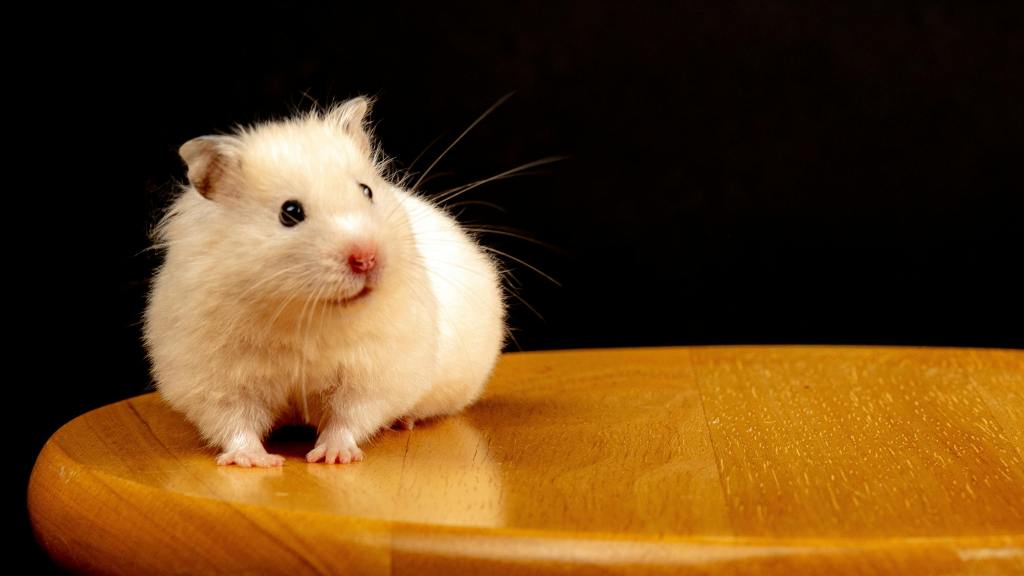
4️⃣ Maintaining Dental Health
Dental disease is a major issue in aging dogs, cats, and small animals. Over time, their once shining-white, sun-reflective teeth may start to resemble coffee-stained buildings covered in scaffolding. And let’s be honest—you’ve probably noticed it every time they got a little too close to wake you up with a… fragrant kiss.
There are ways to help prevent this. Like us, pets benefit from a good tooth-brushing routine, which can work wonders in maintaining their dental health. However, dental problems can still occur, and when they do, it’s important to schedule professional vet cleanings.
For Small Pets:
Older rabbits and guinea pigs may need softer veggies and more frequent dental checks. If they experience tooth pain, they might avoid hay and opt for pellets instead. However, pellets require less chewing, which can lead to overgrown teeth.
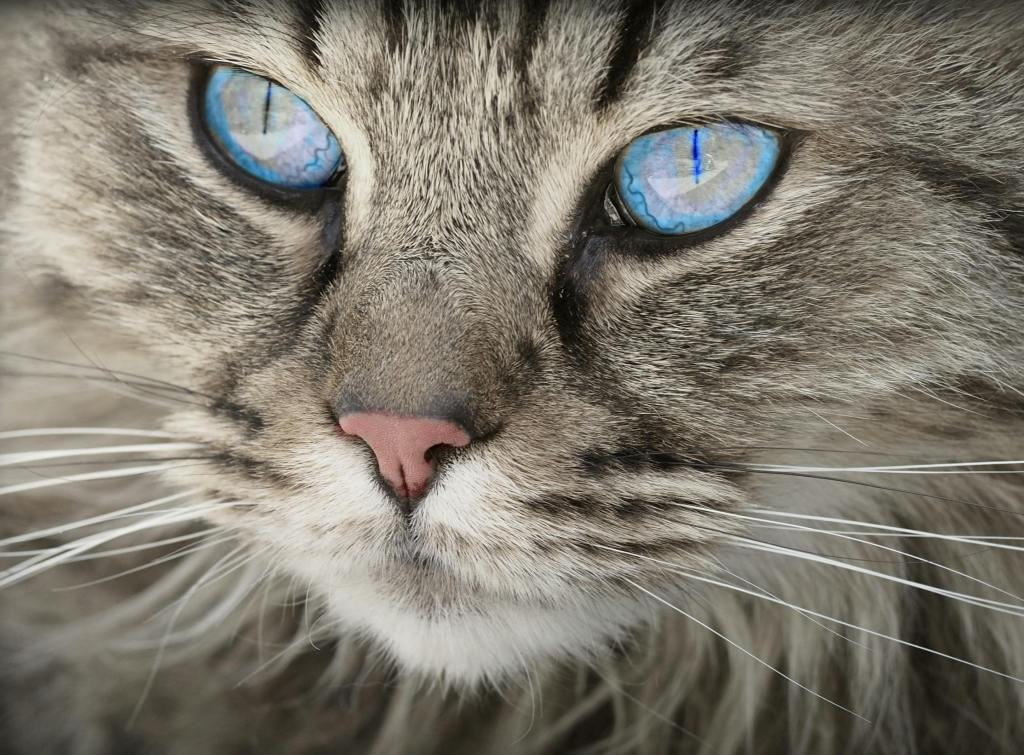
5️⃣ Keeping Their Mind Active
Senior pets can experience cognitive decline (dementia).
You might notice them weirdy staring at some walls like they have seen a ghost, or wandering into corners and forgetting why they were going there in the first place (a bit like me when i enter a room sometimes). Some familiar faces might suddenly look suspicious for a second and some tricks they were good at might slip their mind. Suddenly 3 am is time to wake up, only to sleep the whole day. Has your senior become a baby? Most likely yes if you consider that you are vely likely to find surprises in the house as if you were potty training all over again.
In those cases it’s always useful to keep the same routine and puzzle toys might help keep those rusty gears turning.
Getting the Help That You Deserve in Chelmsford.
Caring for an older pet can take a toll on us. Between work, family, friendships, and daily chores, it can feel like there’s never enough time. But our pets are family, and we want to meet their changing needs, too. While many pets sail smoothly into their senior years, there will inevitably come a time when their health or mobility begins to change. They might need medication multiple times a day, extra potty breaks, or more frequent vet visits.
It’s tempting to ask a family member to step in—maybe grandma can pop by for a visit, or a neighbor can help. But as our pets’ needs grow, those solutions might not be sustainable long term. That’s where a professional pet sitter or dog walker can make a huge difference.
A pet sitter can provide regular visits to care for your senior pet. The right sitter can:
- Administer medication
- Be prepared for emergencies
- Feed your pet
- Clean up after them
- Stimulate their mind and body with gentle exercise
- Shower them with affection
And, of course, they’ll send you photos so you can see how well your fur baby is doing. The best part? Your sitter will care for your pet just like you would—giving them the love and attention they deserve.
👉Want to learn more about how I can help care for your senior pet? Look Me Up!👇
 Let's Bork